



Quick Answer
Porcelain tiles are the safest all-round choice for wet areas and heavy use. SPC (stone plastic composite) flooring is the fastest and most water-resistant option for renovations and rentals. Terrazzo tiles are the design statement choice for lobbies, kitchens and modern living spaces. Match the product to moisture, load and budget rather than appearance alone.
Key Facts Table
| Property | Terrazzo Tiles | Porcelain Tiles | SPC Flooring |
| Core material | Stone chips in binder | Fired clay | Limestone + PVC |
| Water absorption | Low (sealed) | Very low (≤0.5%) | Effectively zero |
| Installation | Adhesive and grout | Adhesive and grout | Click-lock floating |
| Feel underfoot | Hard, cool | Hard, cool | Slightly softer |
| Typical thickness | 15–20 mm (varies) | 8–20 mm | 4–7 mm |
Introduction
Property owners in the UAE face a flooring decision on almost every project: villa renovation, office fit-out, rental turnaround or retail unit. Three materials dominate the conversation: terrazzo, porcelain and SPC. Each has a clear sweet spot, and each has traps. This guide compares them in practical terms. The comparisons below reflect the practical questions project owners raise with Risala Furniture and Interiors LLC during fit-out planning.
Terrazzo Tiles: Statement and Longevity
What they are
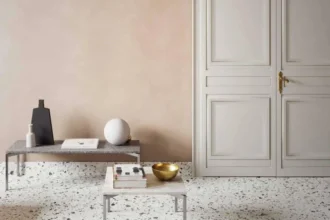
Precast terrazzo tiles are factory-made slabs of aggregate and binder, polished to a smooth surface. They deliver the speckled look of traditional terrazzo with predictable sizes and easier laying.
Where they shine
Demand for terrazzo tiles dubai is strongest in contemporary villas, boutique hotels and commercial entrances. They tolerate heavy traffic, and with periodic sealing and polishing they can last decades.
Watch-outs
- Weight: check slab capacity in older buildings.
- Sealer: unsealed cement-based tiles can stain.
- Pattern variation: order from a single batch to keep colour consistent.
Porcelain Tiles: The Dependable All-Rounder
Definition
Porcelain is a dense ceramic tile fired at high temperature. Under ISO 13006 and ISO 10545-3, porcelain generally means water absorption of 0.5% or less.
Why it keeps winning
People researching porcelain tiles abu dhabi value strength, stain resistance and the huge choice of looks, including marble, concrete and timber effects. Large-format slabs reduce grout lines, giving a premium appearance.
Key checks before you buy
- PEI rating: Wear classes run from 1 to 5; PEI 4–5 suits busy areas.
- Slip resistance: Look for R ratings or DCOF values, especially for outdoor and pool-side use.
- Rectified edges: Allow tight grout lines.
- Shade variation: Tiles are classed V1 to V4; higher numbers mean more variation.
- Flatness of substrate: Large formats need a level slab.
Abu Dhabi’s Estidama framework and similar sustainability programmes encourage materials with documented environmental data, so ask suppliers for product declarations if your project targets a rating.
SPC Flooring: Speed and Water Resistance
What is SPC?
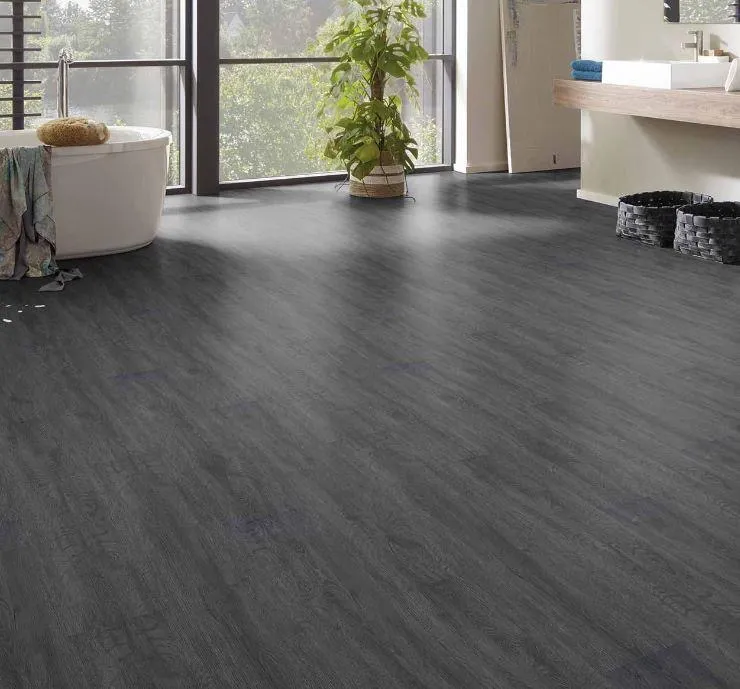
SPC is a rigid-core vinyl plank made from limestone powder and PVC, topped with a printed layer and a wear layer. It is dimensionally stable, meaning it expands and contracts less than standard vinyl or laminate.

Why contractors like it
Searches for spc flooring supplier in dubai often come from developers, landlords and fit-out managers who need quick turnaround. Floating installation means no wet trades, so spaces can be used almost immediately.
What to confirm with a supplier
- Wear layer thickness: 0.3 mm suits residential; 0.5 mm or more suits commercial.
- Core thickness and density: Thicker, denser cores resist dents.
- Attached underlay: Improves acoustics.
- Standards: Look for classification under EN 685 use classes and emissions data (such as low-VOC certificates).
- Temperature limits: Avoid installing in areas exposed to long, direct sun through glass without protection.
Project teams at Risala Furniture and Interiors LLC frequently specify SPC where a quick handover matters, and porcelain where durability and resale appearance matter more.
Head-to-Head Comparison
| Use Case | Terrazzo | Porcelain | SPC |
| Bathrooms / wet rooms | Good if sealed | Excellent | Good (waterproof core) |
| Heavy commercial traffic | Excellent | Excellent | Good with thick wear layer |
| Fast renovation | Fair | Fair | Excellent |
| Budget | High | Medium | Low–Medium |
| Repair option | Re-polish | Replace tile | Replace plank |
| Design drama | Very high | High | Medium |
Actionable Tips for UAE Projects
- Always ask for datasheets: water absorption, wear rating and slip resistance.
- Order 5–10% extra for cuts and future repairs.
- Check slab flatness; use self-levelling compound if needed.
- For outdoor areas, choose anti-slip porcelain rather than polished tiles.
- Confirm adhesive type, especially for large-format porcelain.
- Consider acoustic underlay in apartments to meet building management rules.
- Ask Risala Furniture and Interiors LLC for technical datasheets alongside samples.
Frequently Asked Questions
1. Which is better for a UAE villa: porcelain or terrazzo? Porcelain suits practicality and wet areas; terrazzo suits design-led feature zones.
2. Is SPC flooring really waterproof? The core is waterproof, but water can still seep through joints and damage the subfloor if left standing.
3. Can SPC go over existing tiles? Yes, if the surface is flat and joints are not too deep.
4. Does porcelain scratch? It is very hard, though dragging heavy objects can cause surface marks, especially on polished finishes.
5. How long does terrazzo last? With care, decades.
6. Is SPC suitable for commercial use? Yes, when the wear layer and core are specified for commercial duty.
7. Which is the cheapest to install? SPC usually has the lowest labour cost because it clicks together.
8. Can I use these floors with underfloor cooling? Porcelain and terrazzo conduct heat well; SPC requires manufacturer approval.
9. How should I clean each floor? Use neutral cleaners; avoid acid on terrazzo and steam on SPC.
Key Takeaways
- Porcelain is the benchmark for durability and versatility.
- SPC wins for speed, waterproof cores and low labour.
- Terrazzo delivers premium aesthetics but needs sealing.
- Technical datasheets matter more than showroom looks.
Conclusion
Think of the three materials as tools. Porcelain handles demanding daily use, SPC solves time and moisture challenges, and terrazzo gives character. Compare physical samples, ask for technical data and verify installation conditions. To discuss which fits your project, contact Risala Furniture and Interiors LLC.
Visit us here: https://maps.app.goo.gl/igmNHkW1QCyL19wT7?g_st=ac